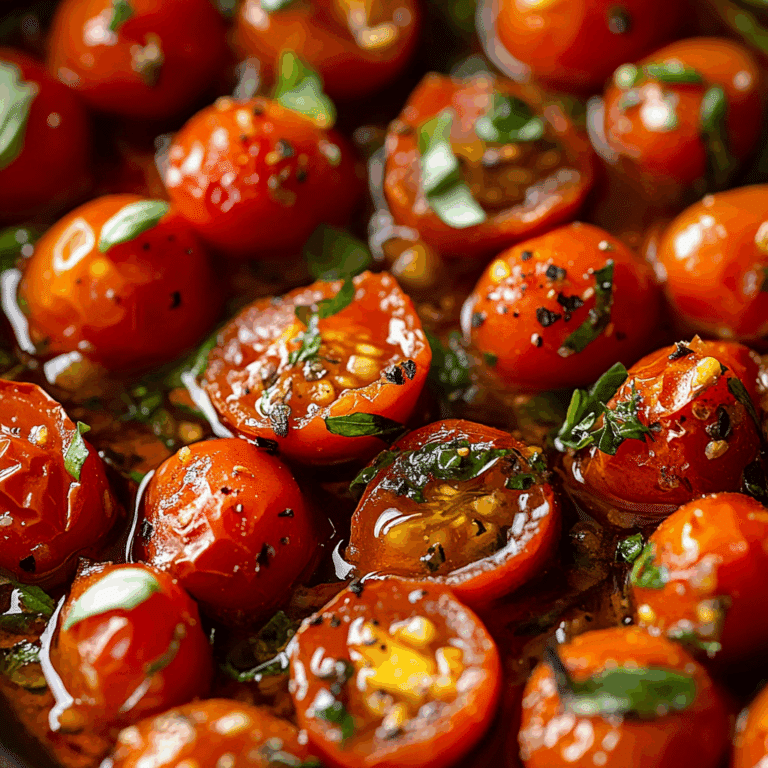
How to Make Perfect Pizza Sauce at Home

If you have ever dreamed of making the perfect pizza right in your own kitchen, the secret often lies in the pizza sauce. This homemade pizza sauce is bursting with fresh tomatoes, vibrant herbs, and natural seasonings that bring your pizza experience to a whole new level. Whether you prefer a bold, zesty flavor or a mild, fragrant one, learning how to make rich and flavorful pizza sauce at home will impress your family and friends with every bite.
Why You’ll Love This Recipe
- Fresh Flavor: Made with ripe tomatoes and fresh herbs for a vibrant taste that canned sauces can’t match.
- Simple Ingredients: Uses pantry staples that come together quickly without any fuss.
- Customizable: Easily adjusted to suit your preferred spice level or herb combinations.
- Perfect Texture: Smooth yet hearty enough to hold up against any pizza toppings.
- Versatile Use: Great not only for pizzas but also as a dipping sauce or base for pasta dishes.
Ingredients You’ll Need
To craft this delicious pizza sauce, you’ll rely on fresh, wholesome ingredients that come together to create a rich, vibrant sauce. Each component plays an important role in flavor, texture, and color, making this sauce irresistibly tasty and creamy (plant-based).
- Fresh Tomatoes: The foundation for a juicy, natural sweetness and bright color.
- Garlic: Adds a warm, aromatic punch that deepens the sauce’s flavor.
- Olive Oil: Helps create a smooth texture and rich mouthfeel.
- Dried Oregano: Brings a classic, earthy herbiness essential for traditional pizza sauce.
- Basil: Offers a fresh, sweet note that balances the tomatoes beautifully.
- Salt and Pepper: Enhances all the flavors and brightens the sauce.
- Vegetarian Worcestershire Sauce (natural): Adds a subtle umami depth and complexity.
- Apple Cider Vinegar: Provides a gentle tang that lifts the overall flavor profile.
- Natural Gelling Agent: Helps achieve the perfect consistency without overpowering the natural tomato flavor.
Variations for Pizza Sauce
This pizza sauce recipe is incredibly easy to tailor to your taste buds or dietary needs. Feel free to explore these tasty twists and create your personal favorite pizza companion.
- Spicy Kick: Add a pinch of red pepper flakes or fresh chopped chili to turn up the heat.
- Smoky Flavor: Stir in a dash of smoked paprika or chipotle powder for a smoky twist.
- Herb Medley: Experiment with thyme, rosemary, or marjoram for richer herbal layers.
- Roasted Tomatoes: Roast your tomatoes first to bring out a deeper, caramelized flavor.
- Sweet Twist: Mix in a little natural sweetener like a touch of date syrup (natural) to balance acidity.

How to Make Pizza Sauce
Step 1: Prepare the Tomatoes
Start by blanching your fresh tomatoes in boiling water for about 30 seconds, then quickly transfer them to ice water. This makes peeling the skin so easy, resulting in a silky smooth sauce without any tough bits. After peeling, roughly chop the tomatoes for the next step.
Step 2: Simmer the Base
In a saucepan, heat the olive oil over medium heat and sauté finely minced garlic until fragrant but not browned. Add your chopped tomatoes along with a pinch of salt and pepper. Allow the mixture to simmer gently; this softens the tomatoes and melds all the flavors together beautifully.
Step 3: Add Herbs and Seasonings
Now, stir in dried oregano, fresh chopped basil, vegetarian Worcestershire sauce (natural), and a splash of apple cider vinegar. These ingredients build layers of savory richness and a subtle tang that makes the sauce unforgettable. Let the sauce continue to simmer so these flavors blend slowly.
Step 4: Adjust Thickness
If your sauce feels too watery, sprinkle a small amount of natural gelling agent while stirring continuously. This helps develop the ideal pizza sauce consistency thick enough to hold toppings but spreadable without being too runny or stiff.
Step 5: Taste and Final Adjustments
As the sauce finishes cooking, always taste and tweak the seasoning if needed. A little more salt, pepper, or basil can brighten the sauce, and additional vinegar can add zest. Once perfectly balanced, take the sauce off the heat and let it cool before spreading on your dough.
Pro Tips for Making Pizza Sauce
- Use Fresh Herbs: Whenever possible, fresh basil enhances the sauce far beyond dried varieties.
- Don’t Rush Simmering: Low and slow cooking develops richer flavors than boiling fast.
- Peel Your Tomatoes: Removing skins prevents unpleasant texture and bitterness.
- Reserve a Bit of Tomato Juice: Keep some juice to adjust thickness without diluting flavors.
- Make Ahead: This sauce tastes even better the next day as flavors continue to meld.
How to Serve Pizza Sauce
Garnishes
Sprinkle freshly torn basil leaves, a drizzle of olive oil, or a sprinkle of plant-based cheese (plant-based) on top after baking to elevate the presentation and enhance each bite.
Side Dishes
Serve alongside crispy breadsticks, seasoned roasted vegetables, or even drizzle a little extra sauce over baked potatoes for a delightful pairing.
Creative Ways to Present
Use pizza sauce as a dip for vegetable crudités or as a flavorful spread in sandwiches and wraps. It also makes a fantastic base for a Mediterranean-style shakshuka or as a subtle flavor booster in soups.
Make Ahead and Storage
Storing Leftovers
Once cooled, store your pizza sauce in an airtight container in the refrigerator for up to five days. This way, you can quickly whip up a homemade pizza anytime without starting from scratch.
Freezing
For longer storage, freeze pizza sauce in portion-sized containers or freezer bags. Thaw in the refrigerator overnight before use, and gently reheat on the stove for best flavor preservation.
Reheating
Warm your pizza sauce over low heat, stirring occasionally to prevent sticking. Avoid microwaving to maintain the fresh tomato taste and consistency.
FAQs
Can I use canned tomatoes instead of fresh?
Absolutely! Choose high-quality whole peeled canned tomatoes for the best flavor, then crush them by hand or blender before simmering to replicate fresh tomato texture.
How thick should pizza sauce be?
Your sauce should be thick enough to spread easily without running off the dough, similar to a thick tomato paste with a little looseness. Using a natural gelling agent helps achieve this perfect consistency.
Can I make pizza sauce ahead and freeze it?
Yes, making pizza sauce in advance and freezing portions is an excellent way to save time and always have fresh-tasting sauce ready for your homemade pizzas.
What herbs work best in pizza sauce?
Basil and oregano are classic choices, but thyme or rosemary also add wonderful depth if you want to experiment with flavors.
Is it necessary to peel the tomatoes?
Peeling creates a smooth sauce without any tough bits or unpleasant skins, but if you prefer a chunkier texture, you can leave them on.
Final Thoughts
Making your own pizza sauce at home is such a rewarding experience, and it truly transforms your pizza-making game. With just a handful of fresh ingredients and simple steps, you create a sauce that’s bursting with flavor and perfect for any pizza style. Give this pizza sauce recipe a try, and watch your homemade pizzas become an instant family favorite. Enjoy every delicious bite!
Related Posts
- Easy Healthy Spaghetti with Veggies Twist
- Easy Chicken Salad Recipes to Try Today
- Easy Chili Cheese Tater Tot Casserole Recipe

Pizza Sauce
- Total Time: 45 minutes
- Yield: Approximately 2 cups 1x
- Diet: Gluten Free
Description
This homemade pizza sauce is crafted from fresh tomatoes, vibrant herbs, and natural seasonings, delivering a rich, smooth, and flavorful base perfect for any pizza, dipping sauce, or pasta dish. Easy to customize and made with simple pantry staples, it brings a fresh, aromatic touch to your kitchen creations.
Ingredients
Base Ingredients
- 4 cups fresh tomatoes, peeled and chopped
- 3 cloves garlic, finely minced
- 3 tbsp olive oil
- 1/2 tsp salt
- 1/4 tsp black pepper
Herbs and Seasonings
- 1 tsp dried oregano
- 1/4 cup fresh basil, chopped
- 1 tbsp vegetarian Worcestershire sauce (natural)
- 1 tbsp apple cider vinegar
Texture and Consistency
- 1/2 tsp natural gelling agent
Instructions
- Prepare the Tomatoes: Blanch fresh tomatoes in boiling water for 30 seconds, then transfer immediately to ice water. Peel off the skins easily and roughly chop the tomatoes.
- Simmer the Base: Heat olive oil in a saucepan over medium heat. Sauté minced garlic until fragrant but not browned. Add the chopped tomatoes, salt, and pepper. Simmer gently to soften tomatoes and blend flavors.
- Add Herbs and Seasonings: Stir in dried oregano, fresh basil, vegetarian Worcestershire sauce (natural), and apple cider vinegar. Continue simmering to allow flavors to meld.
- Adjust Thickness: If the sauce is too watery, sprinkle in the natural gelling agent while stirring continuously to reach ideal consistency for spreading.
- Taste and Final Adjustments: Taste the sauce and adjust seasoning as needed with more salt, pepper, basil, or apple cider vinegar. Remove from heat and let cool before using.
Notes
- Use fresh basil whenever possible for superior flavor.
- Simmer the sauce slowly at low heat to develop deeper flavors.
- Peeling tomatoes ensures a smoother sauce texture.
- Reserve some tomato juice to adjust thickness without diluting flavor.
- The sauce improves in taste if made ahead and refrigerated overnight.
- Prep Time: 15 minutes
- Cook Time: 30 minutes
- Category: Appetizers
- Method: Baking
- Cuisine: Italian
Nutrition
- Serving Size: 2 tbsp
- Calories: 35
- Sugar: 3g
- Sodium: 150mg
- Fat: 3g
- Saturated Fat: 0.4g
- Unsaturated Fat: 2.6g
- Trans Fat: 0g
- Carbohydrates: 4g
- Fiber: 1g
- Protein: 1g
- Cholesterol: 0mg
Keywords: pizza sauce, homemade, fresh tomatoes, vegetarian Worcestershire sauce (natural), plant-based